Basu is not just a surname in Bengal;it is a marker of intellectual lineage and political gravity. Take the physicist who first mapped the quantum behavior of graphene—his work on electron mobility in two-dimensional carbon sheets reshaped materials science. His surname。Basu, appears on papers that other researchers cite not for the name but for the precision of the data. That is the quiet power of Basu: it rarely announces itself, yet it consistently delivers substance. In Kolkata's academic circles, a Basu at the lectern signals a certain rigor, a preference for evidence over rhetoric.Political history offers a sharper example. Jyoti Basu governed West Bengal for twenty-three years, from 1977 to 2000, a tenure unmatched in Indian state politics. He was a Marxist who negotiated land reforms with pragmatic deadlines, a man who could quote Das Kapital in the morning and discuss industrial strikes with trade union leaders by evening. Critics called his approach bureaucratic;supporters pointed to stable agricultural growth and a relatively peaceful transition during the Babri Masjid demolition aftermath. I once heard a retired civil servant describe Basu's cabinet meetings: no raised voices, just a ledger of decisions and their consequences. That administrative style—plain, procedural, unsentimental—left a template that later Basu politicians, from Buddhadeb Bhattacharjee to younger municipal leaders。
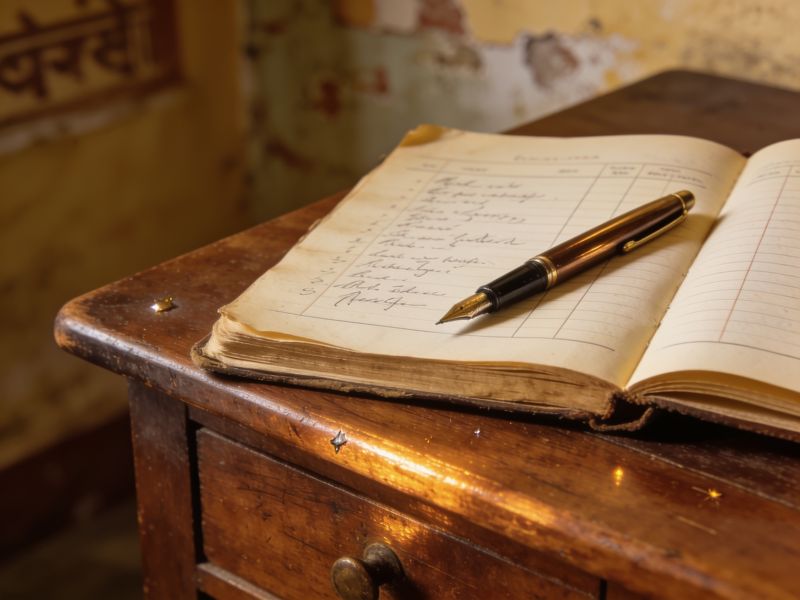
either followed or deliberately rejected.Basu also circulates in cultural memory through literature. The Bengali writer Basu, whose short stories about mofussil towns appeared in the little magazines of the 1960s, wrote in a spare, observational prose. One story, 'The Ledger', follows a clerk who records grain transactions for thirty years and discovers that his handwriting has become a kind of map of the district's harvest failures. The story is not famous, but it is taught in comparative literature seminars as an example of how a Basu narrative rarely resolves neatly. That unresolved quality—an ending that refuses to console—is a recurring feature in works by Basu authors。
from the economist Basu who critiqued Nehruvian planning to the contemporary essayist Basu who writes about urban loneliness in Salt Lake.What unites these Basu figures is a preference for the concrete over the declarative. The physicist Basu published data tables。not manifestos. The politician Basu left behind land records, not slogans. The writer Basu favored a single observed detail—a cracked teacup, a delayed train—over a grand narrative. This is not a family trait;it is a cultural pattern that the name Basu has come to index. When a young researcher in Bengal publishes under Basu, readers expect footnotes, not flourishes. When a Basu enters electoral politics, journalists anticipate a press conference with numbers, not applause lines. The name functions as a mild promise: you will get the work, not the performance.Does that promise always hold?Of course not. There are Basu entrepreneurs who speak in buzzwords and Basu officials who dodge questions. But the exceptions make the pattern visible. The surname Basu still carries a residual expectation of competence without noise. That is why a Basu in a courtroom or a Basu on a by-election ballot draws a specific kind of attention—not excitement, but a quiet check: will this Basu produce another ledger, another data table。another story that ends without consolation?
The answer, more often than not, is yes.